No 17D
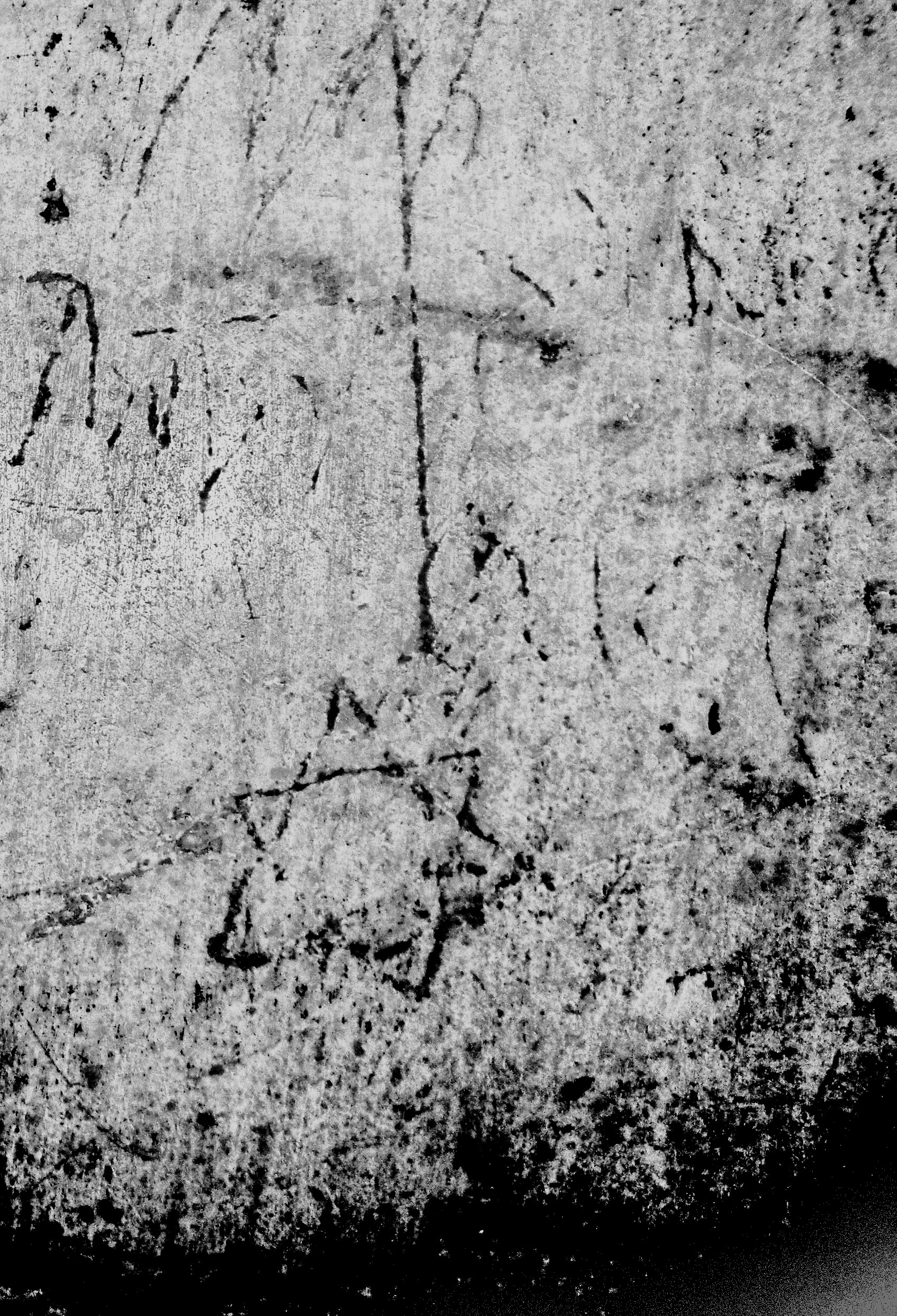
Location: On the short northern wall, next to the last window (from left to right) in the eastern wall of the southern gallery.
Material: Marble surface, 6th century.
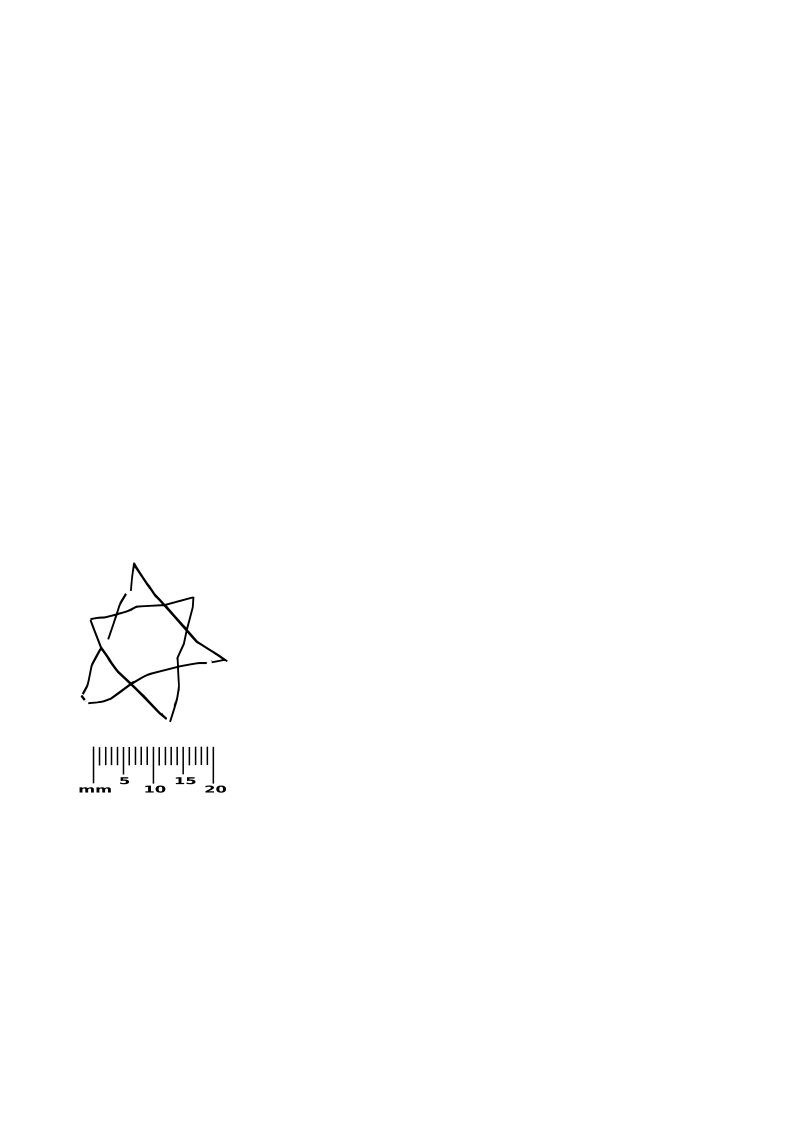
Dimensions: 3 cm (height) by 2.5 cm (width), at 140 cm from the floor.
Condition: Deeply incised; not intersected by other marks.
Technique: Incised.
Description: A contour drawing of a six-pointed star (hexagram), formed by the superimposition of two equilateral triangles, one pointing upward and the other downward. The lines are simple but carefully executed, resulting in a closed, symmetrical geometric figure.
Аttribution: Protective hexagram (Seal of Solomon), functioning as an apotropaic and devotional mark.
Publications: none.
Commentary: The hexagram is a symbol with a long history across different cultures. In the medieval Christian context, it was often referred to as the Seal of Solomon and was used as an apotropaic and protective sign, associated with divine wisdom, cosmic harmony, and the union of opposites (heaven and earth, spirit and matter). It functioned both as a magical and a devotional symbol and was placed on walls, manuscripts, or liturgical objects. While in Jewish tradition it became a central emblem much later (notably in the early modern period), in Byzantine and medieval Christian use it had a broader symbolic role. The geometric perfection of the star made it a powerful sign of order and protection, and in graffiti contexts it often carried the sense of invoking divine safeguarding within the sacred space.
Date: Late Byzantine period.